
Introduction
Kinilaw is a traditional Filipino dish that celebrates freshness, balance, and bold flavor. Often compared to ceviche, kinilaw relies on vinegar rather than citrus to “cook” raw seafood, resulting in a clean, tangy taste that is unmistakably Filipino. I first experienced kinilaw at a seaside gathering, served chilled and eaten moments after preparation, and it immediately stood out for its brightness and simplicity. The sharpness of vinegar, the warmth of ginger, and the heat of chili come together to enhance the natural sweetness of fresh fish. Kinilaw is not just a dish but a reflection of coastal Filipino culture, where freshness is everything. It is light, refreshing, and deeply satisfying, making it perfect as an appetizer, pulutan, or even a light main dish on warm days.
Print
Kinilaw – Fresh, Zesty, and Authentically Filipino
- Total Time: 15 minutes
- Yield: 4 servings
- Diet: Low Calorie
Description
Kinilaw is a traditional Filipino dish made with fresh raw fish cured in vinegar and citrus, mixed with onions, ginger, and chili for a bright, tangy, and refreshing flavor.
Ingredients
- 1 lb fresh tuna or mackerel, skinless and cubed
- 1/2 cup coconut vinegar or cane vinegar
- 1/4 cup calamansi juice or fresh lime juice
- 1 small red onion, finely chopped
- 1 thumb-size ginger, julienned
- 1–2 red chili peppers, sliced
- 1/2 tsp salt
- 1/4 tsp ground black pepper
- 1/4 cup coconut milk (optional)
Instructions
- Rinse fish briefly in cold water and drain well.
- Place fish in a bowl and pour vinegar over it.
- Let sit for 5 minutes, then drain the vinegar.
- Add calamansi or lime juice to the fish.
- Mix in onion, ginger, chili, salt, and black pepper.
- If using, stir in coconut milk gently.
- Cover and refrigerate for 10–15 minutes before serving.
- Serve chilled.
Notes
- Use sashimi-grade fresh fish only.
- Do not over-marinate as fish can become tough.
- Traditionally served as an appetizer with rice or drinks.
- Prep Time: 15 minutes
- Cook Time: 0 minutes
- Category: Appetizer
- Method: No-Cook
- Cuisine: Filipino
Why You’ll Love This Recipe
This recipe highlights fresh ingredients and bold flavors without cooking or complicated steps. It is quick to prepare and incredibly refreshing. Kinilaw is naturally gluten-free and dairy-free, and it can be easily customized to taste. It is perfect for warm weather and pairs well with rice or enjoyed on its own.
Ingredients
(Tip: You can find the complete list of ingredients and their measurements in the recipe card below.)
Fresh fish
Fresh fish is the heart of kinilaw and should be sashimi-grade, firm, and very fresh for best results.
Coconut vinegar
Coconut vinegar provides acidity that “cooks” the fish and delivers a distinctly Filipino flavor.
Ginger
Ginger adds warmth, aroma, and helps balance the sharpness of the vinegar.
Red onion
Red onion contributes mild sweetness and crunch.
Green chilies
Green chilies add gentle heat and brightness without overwhelming the dish.
Salt
Salt enhances the natural flavor of the fish and balances acidity.
Black pepper
Black pepper adds subtle warmth and depth.
Calamansi or lemon
Calamansi or lemon adds citrus brightness and rounds out the acidity.
Cucumber
Cucumber adds freshness and crunch, lightening the overall texture.
Directions
Begin by cutting the fresh fish into small, uniform cubes and placing them in a glass or stainless-steel bowl. Pour coconut vinegar over the fish until fully submerged. Let it sit briefly to allow the vinegar to cure the fish, then drain most of the vinegar, leaving just enough to coat.
Add the ginger, red onion, green chilies, cucumber, salt, and black pepper. Gently toss to combine, being careful not to break the fish pieces.
Finish by adding calamansi or lemon juice to taste. Adjust seasoning if needed. Chill briefly before serving, but serve fresh for best texture and flavor.
Equipment needed
Must-Have Tools to Get Rolling
Here’s what you’ll want to have on hand:
Silicone Spatula – Durable, heat-resistant silicone spatula perfect for mixing, scraping, and spreading. Gentle on non-stick cookware and easy to clean.
Large pot – You’ll need this to boil the whole cabbage head and soften the leaves.
large bowl –Spacious, durable large bowl ideal for mixing, serving, or food preparation. Made from sturdy material and easy to clean.
Sharp knife – For coring the cabbage and slicing out the thick stem in each leaf. A paring knife works best.
Mixing bowl – A big bowl makes it easier to combine your meat and rice filling evenly.
Cutting board – For prepping cabbage leaves and rolling them like a pro.
Full-Size Blender – is a powerful kitchen appliance for making smoothies, soups, and sauces in large batches.
3-in-1 Air Fryer – This versatile 3-in-1 air fryer offers Air Fry for healthier meals with less oil, Bake for bakery-quality desserts and treats, and Reheat to bring leftovers back to life with crispy, flavorful results
Servings and timing
This recipe serves approximately 4 people. Preparation time is about 15 minutes, and no cooking time is required.
Storage/reheating
Kinilaw is best enjoyed immediately. If necessary, store covered in the refrigerator for up to 12 hours. Reheating is not recommended, as this is a raw, cured dish.
Variations and Customizations
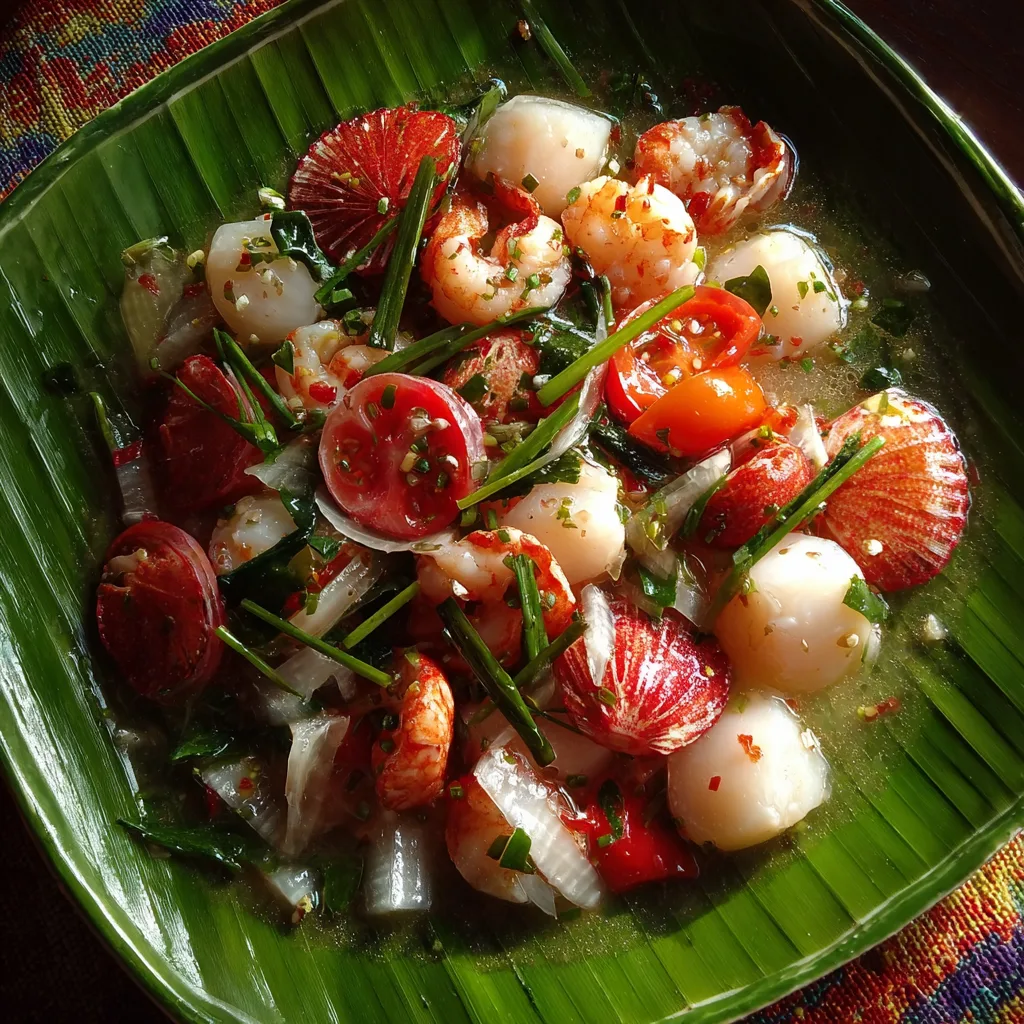
You can substitute fish with shrimp or squid for different textures. Adding coconut milk creates a richer version known in some regions. I have also added a small amount of grated turmeric, which gave the dish a beautiful color and subtle earthiness while staying true to its traditional profile.
Nutrition and Dietary Info
Kinilaw is high in protein and low in carbohydrates and fat. It is naturally gluten-free and dairy-free. The dish is light yet satisfying, making it suitable for balanced meals or as a refreshing starter.
Expert Tips & Customizations
Use Extremely Fresh Fish
Freshness is essential for both safety and flavor.
Do Not Over-Marinate
Too much time in vinegar can make the fish tough.
Balance the Acidity
Adjust vinegar and citrus to suit your taste.
FAQs
Is kinilaw the same as ceviche?
No, kinilaw uses vinegar instead of citrus and has a distinct flavor profile.
What fish works best for kinilaw?
Firm white fish is ideal.
Is kinilaw safe to eat?
Yes, when made with very fresh, properly handled fish.
Can I make kinilaw ahead of time?
It is best made and served fresh.
What vinegar is traditional?
Coconut vinegar is most traditional.
Can I make it spicy?
Yes, add more chilies to taste.
Is kinilaw keto-friendly?
Yes, it is naturally low in carbs.
Can I use lemon instead of vinegar?
Vinegar is traditional, but lemon can be added for balance.
Does the fish taste raw?
The vinegar cures it, giving a firm, opaque texture.
What should I serve with kinilaw?
Steamed rice or as a standalone appetizer.
Conclusion
Kinilaw is a vibrant, refreshing dish that showcases the beauty of Filipino cuisine through simplicity and bold flavor. With fresh seafood, sharp vinegar, and aromatic additions, it delivers a clean, satisfying experience that is perfect for warm days, gatherings, or anyone seeking an authentic taste of the Philippines.
Hungry for more? Visit our website for full recipes and follow us on Pinterest for daily foodie inspo you’ll love to pin!